The three questions
Before you buy a hundred of anything, ask three questions. Does it get used up? Does it get lost? Does it store flat? A thing that fails all three should be bought one at a time. A thing that passes even one of them is worth considering in quantity.
The first question is about consumption. Some things are consumed by use: cupcake liners, balloons, stickers, notebook paper. You use them and they are gone. The second question is about attrition. Some things are consumed by disappearance: teaspoons, hair picks, pour spouts, towel clips. Nobody eats a teaspoon. They walk off, they fall behind the counter, they end up in a drawer you never open. The third question is about space. A hundred of something takes room. If the thing does not nest, stack, or lie flat, the storage cost may be higher than the savings.
Most household purchases fail at least one of these questions. That is fine. The point of the rule is not to buy everything in bulk. It is to know, before you click, which things justify the count and which things just take up a shelf.
Buy for the thing you will actually do, not the thing you hope to do. Fifty balloons is a party, and also a closet.
Price per piece, honestly
The arithmetic is simple. Divide the pack price by the piece count. We pack eight gold flower tea spoons at $7.99. That is about a dollar a spoon. Three hundred honey bee cupcake wrappers at $9.19 works out to about three cents a wrapper. Ten aluminum water bottles at $34.99 is about $3.50 a bottle. Twelve pairs of hook and loop dots at $8.99 is about seventy-five cents a pair.
The trick is that price per piece is only meaningful if the piece gets used. A lower price per piece on something you will never finish is not a saving. It is a cupboard. You have paid money to store something you did not need.
Here is the honest version of the arithmetic, with real packs and real prices:
| Pack | Price | Pieces | Price per piece |
|---|---|---|---|
| Gold flower tea spoons | $7.99 | 8 | about $1.00 each |
| Honey bee cupcake wrappers | $9.19 | 300 | about $0.03 each |
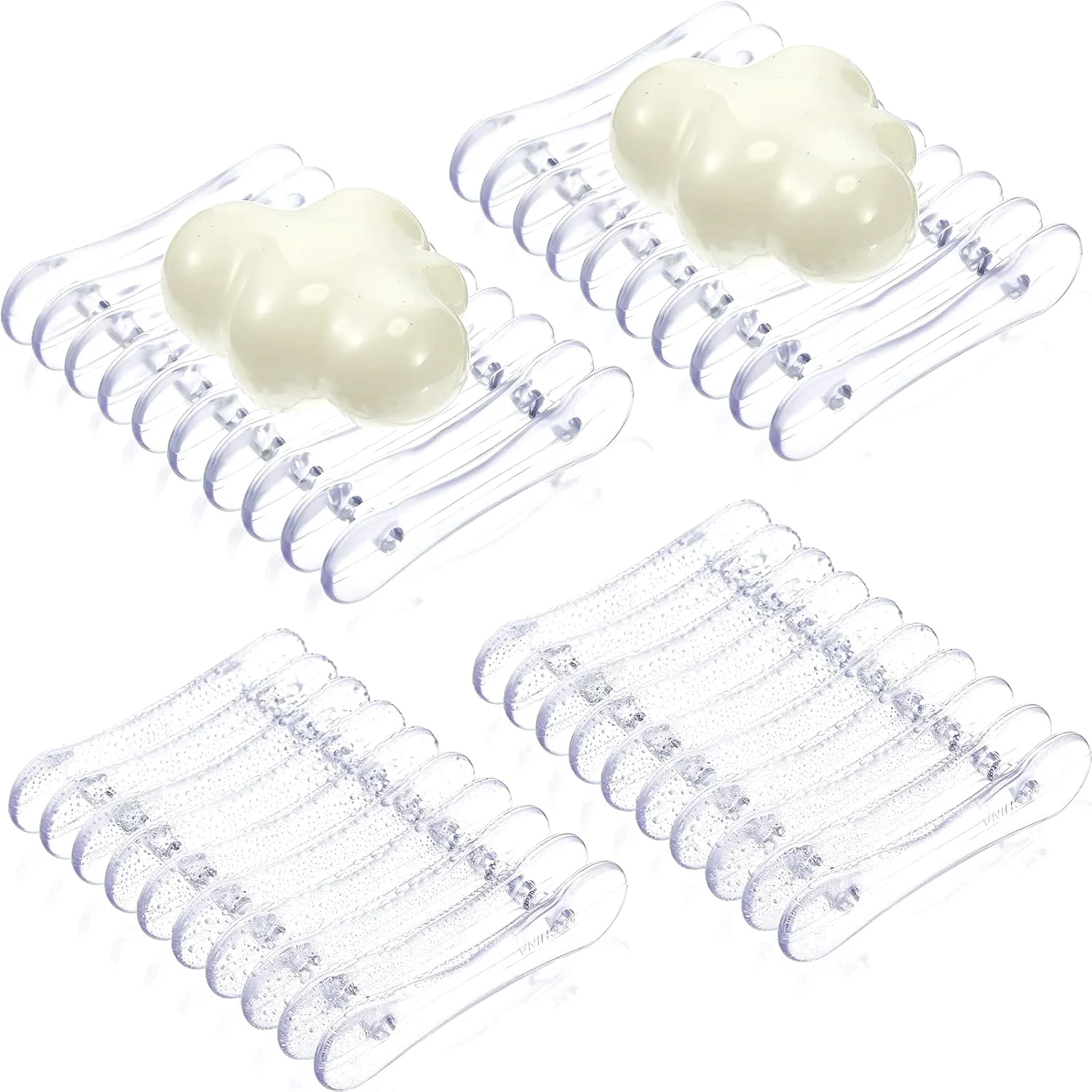
| Self-draining soap dishes | $11.99 | 4 | about $3.00 each |
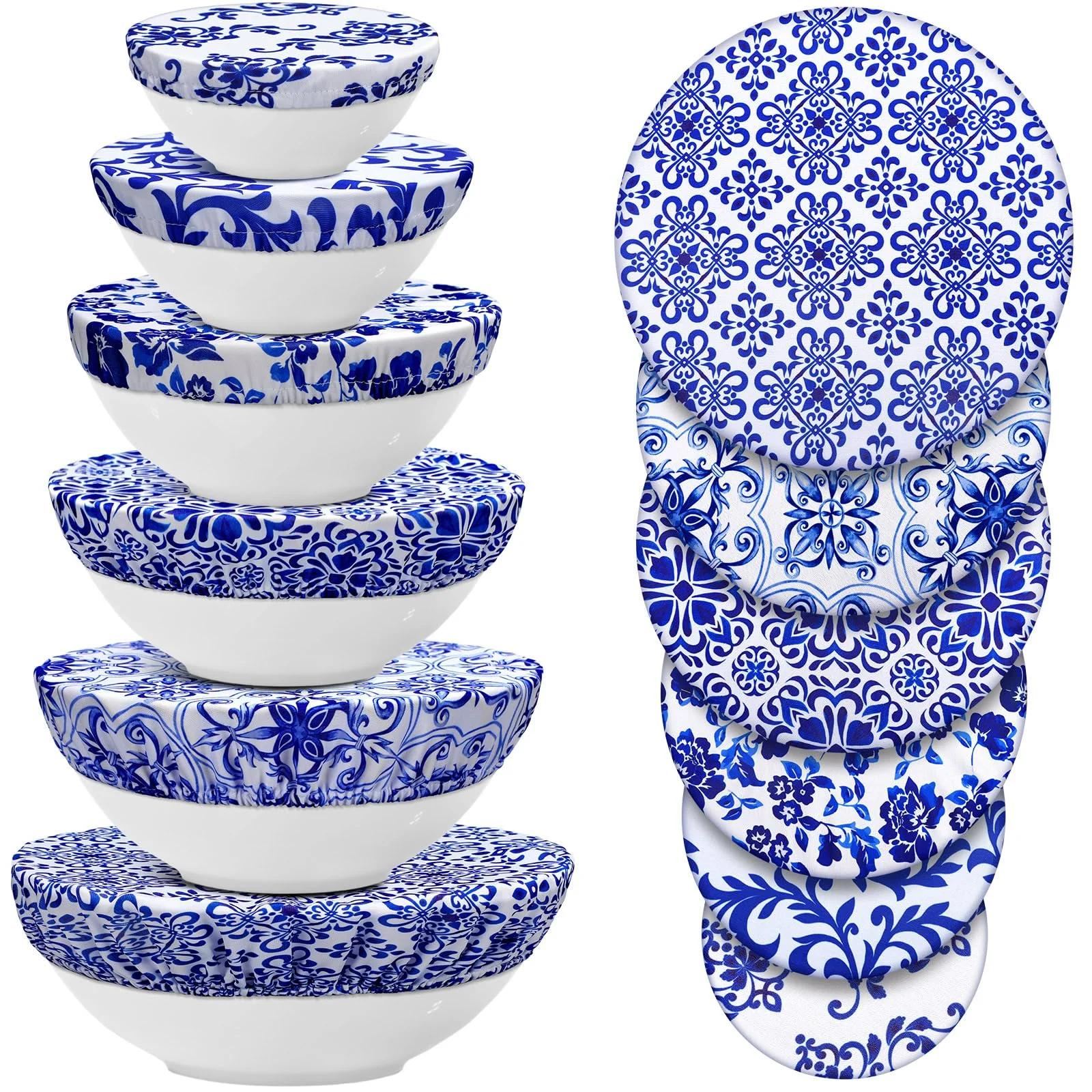
| Cloth bowl covers | $13.59 | 10 | about $1.36 each |
| Aluminum water bottles | $34.99 | 10 | about $3.50 each |
| Jumbo beach towel clips | $24.99 | 10 | about $2.50 each |
| Hook and loop dots | $8.99 | 12 pairs | about $0.75 per pair |
Now the second column of that table is the one that matters. The price per piece is a fact. The question is whether you will use the pieces. A dollar a spoon is a good price if you need eight spoons. It is a bad price if you already own eight spoons and the new ones will sit in a drawer.
The other thing to watch is the per-use cost. A cupcake liner costs three cents. If you bake once a month and use twelve liners, that is thirty-six cents a month. A pack of three hundred lasts you two years. That is a real saving. A pack of fifty balloons costs more, and latex does not keep forever. The per-use cost of something that expires is higher than the per-piece price suggests.
The cheapest price per piece is wasted if the piece never leaves the pack. Count uses, not pieces.
Things that get used up
Cupcake liners are the cleanest example of a thing that gets used up. We pack three hundred honey bee wrappers at $9.19. Three cents a liner. You bake, you fill, you serve, the liner is gone. There is no storage question because the pack is consumed. The only question is whether you bake enough to finish three hundred before you get tired of the pattern.
Paper liners keep. Cardstock keeps. Notebooks keep. If you store them dry and flat, they will be fine in a year. The shelf life on paper goods is long enough that you do not need to think about it. The same is not true for everything in the "used up" category.
Latex balloons do not keep forever. Latex is a natural material. It oxidizes, it dries, it gets brittle. A pack of fifty racing-flag balloons bought for a party next month is fine. The same pack bought because it was a good price, stored in a warm closet for two years, may burst when you inflate it. If you buy balloons in quantity, buy them for a date on the calendar.
Anything with adhesive has a clock on it. Hook and loop dots, stickers, labels, tape. The adhesive dries and loses grip. A roll of tape bought on sale and stored badly is a roll of tape that does not stick. The same rule applies to rubber bands and elastic. They age.
Things that get lost
The second reason to buy in quantity is that things disappear. Tea spoons disappear. Pour spout covers disappear. Beach towel clips disappear. Hair picks disappear. None of these things wear out. They walk off.
The honest reason to buy eight tea spoons is not that you need eight tea spoons. It is that you will have three left in six months. The pack of eight gold flower tea spoons at $7.99 is about a dollar a spoon. If you buy one spoon, you will lose it and buy another. If you buy eight, you lose three and still have five. The per-spoon cost of the pack is lower than the per-spoon cost of replacing them one at a time.
The same logic applies to pour spout covers. A bar or a busy kitchen loses these constantly. They fall into the sink, they get thrown out with the trash, they vanish. A pack of thirty-six silicone pour spout covers is not thirty-six covers you need. It is the count you need to still have twelve in a year.
Beach towel clips are the same story. Ten clips at $24.99 is about $2.50 a clip. At the beach, clips get left on the sand, they get packed in someone else's bag, they get dropped. A pack of ten means you do not have to ration them.
Hook and loop dots are the purest version of this. Twelve pairs at $8.99. You use them to hold a cable to a desk, to keep a picture frame straight, to tidy a drawer. You will use one pair and the other eleven will sit in a drawer. That is fine, because the next time you need one, it is there. The point of the pack is not that you need twelve pairs at once. It is that you never have to buy dots again.
Things that wear out
Some things break, and the breakage is predictable. Soap dishes crack. Dustpan brushes lose their bristles. Combs snap. Toddler plates get dropped.
Self-draining soap dishes are a good example. We pack four at $11.99. That is about three dollars a dish. A soap dish in a busy bathroom gets knocked off the edge of the tub, it lands on tile, it cracks. If you have four, you replace one and still have three. If you have one, you live with the crack or you make a trip to buy another.
The same logic applies to dustpan and brush sets. The brush wears, the dustpan cracks. A mini set is small and cheap. Buying one at a time means you are always buying one at a time. Buying several means you replace them when they wear, not when you remember.
Toddler plates are the clearest case. A toddler drops a plate. It is not a question of if, it is a question of how often. A toddler plate and bowl set with suction is designed to stay on the table, but toddlers are creative. When a plate breaks, you want a spare. The honest replacement rhythm for a toddler plate is "more often than you think."
Metal teasing hair picks are a little different. Three picks at $5.99 is about two dollars a pick. They do not break easily, but they get lost, and they get bent. A pack of three means you have one in the bathroom, one in the travel bag, and one spare.
The rule for things that wear out: buy the count that matches the replacement rhythm. If you replace a soap dish twice a year, a pack of four is two years of dishes. That is a reasonable purchase. If you replace a comb once a year, a pack of three is three years. That is a reasonable purchase. The arithmetic only works if you actually replace them.
What not to bulk buy
The three questions work in reverse. If a thing does not get used up, does not get lost, and does not store flat, buy one at a time.
Anything sized to a person is a bad multi-pack. Clothing, shoes, gloves, hats. People come in sizes, and sizes do not change on a schedule. A pack of five pairs of socks in one size is a pack of five pairs of socks in the wrong size for someone. The same goes for anything that has to fit: chair sashes for a specific chair, water bottles for a specific cup holder.
Anything you have not tried once is a bad multi-pack. The first time you buy a product, buy one. If you like it, buy the pack. If you buy a hundred of something you have never used, you are betting on a product you do not know. The bet is usually wrong.
Anything with a strong color you are not sure about is a bad multi-pack. A pack of three hundred cupcake liners in a bright pattern is a commitment. If you change your mind after fifty, you have two hundred and fifty liners you do not want. The same goes for balloons, napkins, and anything else where color is the point.
Anything that needs to match something you already own is a bad multi-pack. If you are matching a set of china, a specific shade of gold, a particular wood tone, buy one and check it against what you have. A pack of eight spoons in the wrong gold is eight spoons you cannot use.
| Question | Buy in quantity if... | Buy one at a time if... |
|---|---|---|
| Used up? | You will finish the pack within a year | You are unsure you will use it at all |
| Lost? | The item routinely walks off | You have never lost one |
| Breaks? | The replacement rhythm is predictable | The breakage is rare |
| Stores flat? | The pack nests, stacks, or lies flat | It takes a whole shelf |
| Color? | You are sure of the shade | You are guessing |
| Fit? | One size fits all | It has to fit a person or a thing |
Storage is the hidden cost
A hundred of something takes room. That is the cost nobody adds to the price per piece. The pack it arrives in is usually not the thing to store it in. A cardboard box of three hundred cupcake liners is not a storage container. It is a box that will get crushed, damp, or lost in the back of a cupboard.
The storage question is simple: does the thing nest, stack, or lie flat? Cupcake liners lie flat. They stack neatly and take up almost no room. A pack of three hundred honey bee wrappers is a single flat box. That is fine. Ten water bottles stack. A set of twelve reusable bowl covers folds flat. Those are fine.
The problem is the things that do not flatten. Balloons, if they are inflated. Chair sashes, if they are bunched. A hundred chair sashes folded flat take up a drawer. The same hundred sashes wadded into a bag take up a whole shelf. The storage cost depends on how you store it, and the pack it arrives in is not the answer.
The rule for storage: when the pack arrives, open it, take the things out, and put them in the place where you will use them. The rest goes in a container that fits the shelf it will live on. If the pack does not fit the shelf, you have bought the wrong count.
For the things that get used up, storage is easy because the pack is consumed. For the things that get lost, storage is easy because you are going to distribute them. For the things that break, storage is easy because you are going to replace them. The things that fail storage are the things that fail all three questions. Those should have been bought one at a time.
Kitchen and table
The kitchen is where the multi-pack rule pays off most often. The things that get used up and the things that get lost both live here.
Bowl covers for bread rising are a used-up item. We pack ten cloth bowl covers at $13.59, about $1.36 each. If you bake bread regularly, you use a cover every time. The covers get washed, they wear, they get replaced. A pack of ten means you always have a clean one. The same logic applies to the twelve reusable bowl covers in five sizes at $16.99. The five sizes matter, because a bowl cover that does not fit is a cover you do not use.
Tea spoons are a lost item, as covered above. Eight gold flower tea spoons at $7.99 is about a dollar a spoon. The pack is not eight spoons. It is the five you will have next year.
Cupcake liners are a used-up item. Three hundred honey bee wrappers at $9.19 is about three cents each. If you bake for a school event, a church sale, or a birthday, you will use the pack. Paper keeps, so there is no clock on it.
Pour spout covers are a lost item. A bar or a busy kitchen loses these constantly. A pack of thirty-six silicone covers is the count you need to still have a dozen in a year.
The kitchen items that are not worth a multi-pack: anything sized to a specific pan, anything with a color you are not sure about, and anything you have not tried once. A pack of twelve bowl covers in five sizes is a good buy only if you know the sizes work for your bowls. If you have never used a cloth bowl cover, buy one first.
| Room | Worth buying in quantity | Why |
|---|---|---|
| Kitchen | Cupcake wrappers, tea spoons, bowl covers, pour spouts | Used up or lost |
| Bathroom | Soap dishes, hair picks | Break or get lost |
| Laundry | Towel clips | Get lost |
| Craft room | Cardstock, hook and loop dots | Used up or lost |
| Pantry | Water bottles | Used up |
Bathroom and grooming
The bathroom is where the multi-pack rule gets complicated. Some things are worth the count. Some are not.
Self-draining soap dishes are worth the count. Four at $11.99 is about three dollars a dish. They crack, they get knocked off, they get replaced. A pack of four is a year or two of dishes. The same logic applies to the bamboo soap dish with a lid. If it is a dish you like, buy the count that matches the replacement rhythm.
Bamboo vanity trays are a different story. Three trays at $16.99 is about $5.66 each. A vanity tray does not get used up, does not get lost, and does not break often. It sits on a counter and holds things. If you need three trays, buy three. If you need one, buy one. The pack price per tray is lower, but the extra two trays are not a saving if they sit in a drawer.
Metal teasing hair picks are a lost item. Three picks at $5.99 is about two dollars a pick. They get lost, they get bent, they walk off. A pack of three means you have one in the bathroom, one in the travel bag, and one spare. That is a reasonable buy.
Body powder puffs are a used-up item. They wear, they get replaced. A pack with a container is a reasonable buy if you use powder regularly.
The bathroom items that are not worth a multi-pack: anything that has to match your decor, anything with a strong scent or color you are not sure about, and anything you have not tried once. A bamboo tray in a finish you do not like is a tray you do not use. Buy one first.
Splitting a pack
Sometimes the right answer is not to buy the pack at all. It is to split it. Two households, a rental, or a shared flat can divide a multi-pack evenly, and the per-piece price stays the same.
The trick is to agree on the split before the pack arrives, not after. The person who buys the pack should not be the person who ends up with the leftovers. Decide who takes what, and agree on the price. If the pack is $9.19, split it in half and each person pays $4.60. That is fair.
The things that split well are the things that come in even counts. A pack of ten water bottles splits into two sets of five. A pack of twelve hook and loop dots splits into two sets of six. A pack of four soap dishes splits into two sets of two. The things that split badly are the things that come in odd counts, and the things where one person wants the whole thing.
The other rule for splitting: split the things that get used up, not the things that get lost. If you split a pack of tea spoons, you are splitting the loss, and the loss does not respect the split. The person who loses three spoons will be back to buying a single spoon in a year. Split the cupcake liners, split the water bottles, split the soap dishes. Do not split the spoons.
If you are buying for a rental or a shared flat, the same logic applies. The pack is a shared cost, and the shared use is what makes it worth it. A set of twelve reusable bowl covers in a shared kitchen is a set that gets used. A pack of ten water bottles in a shared house is a pack that gets used. The rule is the same: does it get used up, does it get lost, does it store flat. In a shared house, the answer is usually yes to all three.
The rule, restated
The three questions are the whole thing. Does it get used up? Does it get lost? Does it store flat?
- Does it get used up? Buy the pack. Paper, cardstock, liners, anything consumed by use.
- Does it get lost? Buy the pack. Spoons, picks, clips, anything that walks off.
- Does it store flat? Buy the pack if the first two are yes. The storage is the only cost you cannot see.
- Does it fail all three? Buy one at a time. The price per piece is a trap.
- Does it need to match? Buy one first. Check it, then buy the pack.
The price per piece is a fact, but it is not the whole story. A dollar a spoon is a good price. Three cents a liner is a good price. But the price only matters if the piece gets used. A lower price per piece on something you will never finish is not a saving. It is a cupboard.
The multi-pack rule is not about buying everything in bulk. It is about knowing which things justify the count. Cupcake liners justify the count. Tea spoons justify the count, because you will lose them. Soap dishes justify the count, because they break. Vanity trays do not justify the count, unless you need three. Anything sized to a person does not justify the count. Anything you have not tried does not justify the count. Anything with a color you are not sure about does not justify the count.
Buy the things that get used up. Buy the things that get lost. Buy the things that break. Buy one at a time for everything else. That is the rule.
Keep reading
- Setting a table for a hundred: how many of everything you actually need. Glasses per guest, bottles per hour, and the two-hour rule that decides how the food goes out. The arithmetic behind a room full of people.
- Buying for a room of thirty: the classroom and craft cupboard. The margin above thirty, the difference between a consumable and a tool, and what the labels on art materials are actually telling you.
- Or go back to CHENGU party supplies and the fifty packs on the front page.